Inside a Data Center: Insights into Daily Operations and Security
Inside a Data Center: Insights into Daily Operations and Security
Blog Article
Data centers are essential infrastructures where data is stored, managed, and distributed. Whether you are looking for to find suitable data center space for lease or want to understand more about the various services they offer, the importance of efficient data center solutions cannot be overstated. The rapid growth in digital technologies demands that businesses consider their data strategies carefully, especially when selecting a data center learn more. As businesses increasingly rely on data and digital services, data centers serve as the backbone for these operations. From housing servers to ensuring data security, understanding data center services and infrastructure is pivotal for companies of all sizes. Data centers are facilities designed to house computer systems and associated components such as telecommunications and storage systems. The purpose of data centers extends far beyond simple storage; they provide essential services like data processing, backup, recovery, and security. Various organizations utilize these spaces, from small startups needing a colocation data center near me to large enterprises employing hyperscale data centers to handle immense workloads. A typical data center consists of a combination of hardware—servers, routers, and storage devices—along with systems optimized for power management, cooling, and security. Security in data is crucial, especially given the rising number of cyberattacks. Data center companies implement strict protocols to safeguard sensitive information. Physical security measures, including biometric access controls and surveillance systems, are common features of modern data centers. Choosing the right location for a data center is as vital as the services it provides. Data centers in the US are often strategically placed to ensure minimal latency and optimal operational efficiency. For example, locating a data colocation center near major metropolitan areas can enhance connectivity and reduce the time it takes for information to travel between servers and users. Moreover, geographic location influences aspects like power availability, climate, and regulatory requirements. In regions prone to natural disasters, for example, additional measures must be taken to ensure data continuity. This consideration is particularly critical for businesses involved in enterprise AI and those managing large datasets. Organizations now have the option to utilize colocation data centers, which allow them to rent space for their servers and additional hardware without the burdensome tasks of building and managing their own facility. This approach has become increasingly preferred, thanks to its affordability and operational efficiency. By pooling resources with various clients, companies can benefit from premium infrastructure while avoiding the significant overhead generally linked to traditional data center construction. In contrast, hyperscale data centers focus on meeting the requirements of extensive operations, such as major technology companies and cloud service providers. These centers are engineered for optimal scalability, enabling them to adjust resources seamlessly to meet varying workloads. With automated resource management features, hyperscale environments empower organizations to swiftly modify their capabilities as business needs evolve—this flexibility is particularly vital for firms that depend on AI-driven data centers. Data center infrastructure encompasses the large array of systems and technologies that support connections and operations. Essential elements include server units, networking equipment, storage solutions, cooling systems, and backup power supplies. Understanding this complex framework can help companies select the right data center services to meet their unique needs. Many data centers provide comprehensive services, such as managed hosting, disaster recovery, and dedicated connections to cloud services. Businesses must carefully assess what services are essential, considering both current and future needs. These factors will influence their choice in not only data center providers but also the specific infrastructure required for their data systems. For organizations looking for an overview of various options available, the topic of data centers provides a comprehensive understanding of types, uses, and technologies involved. To ensure you get the most from your data center investment, stay ahead of the competition by following these proven tips. Data center space encompasses the designated physical area within a facility meant for the housing of servers and IT equipment, as well as the essential supporting infrastructure necessary for their operation. In selecting a data center provider, it is important to evaluate your unique requirements, take into account financial limitations, consider expansion potential and security protocols, and give priority to location for best operational efficiency. The pricing for data center space can fluctuate greatly depending on factors such as geographical location, space requirements, available services, and length of the lease agreement. Typically, providers bill monthly based on the space occupied and the services being rendered. When assessing data center space, ensure a focus on proven results, comprehensive reporting, and alignment with your market demands and timelines. Be cautious of vague commitments lacking a defined measurement strategy. Inquire about how progress monitoring is conducted, what services are mandatory versus optional, and how the provider adapts their strategies if there are drops in rankings or traffic. Securing a written agreement before payment helps to safeguard the interests of both parties. Understanding the intricacies of data center space and its offerings can empower businesses to make informed decisions that align with their objectives. As the digital landscape continues to evolve, investing in the right data center infrastructure will provide a competitive advantage. The growing importance of secure and effective data management underlines the need for carefully selected data centers that align with the unique requirements of any organization.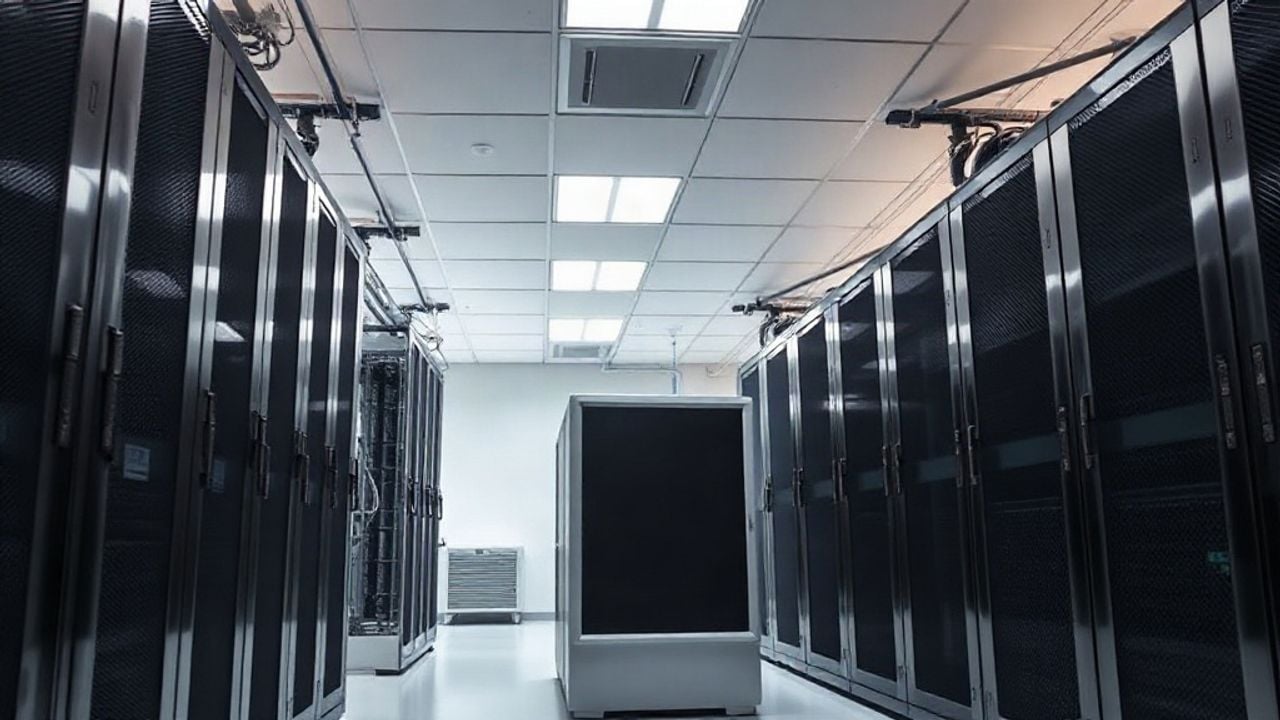 data center space for leasecolocation data center near me
The Core Functions of Data Centers
Data Center Locations and Their Importance
The Move Towards Colocation and Hyperscale Data Centers
Understanding Data Center Infrastructure and Services
Best Practices for Maximizing Data Center Efficiency
Selecting the Right Data Center Space
Frequently asked questions
What is data center space?
How do I choose a data center space provider?
How much does data center space cost?